
|
StarWitness has an exciting 2024 planned. We are currently in discussions with several Evidence Management and Cloud Storage providers to expand our capabilities and continue to provide you with the best solution for your video evidence management process needs. StarWitness CLOUDSCAPE - iCrimeFighter Cloud Storage Solutions StarWitness is now offering video cloud storage by iCrimeFighter. Easily store, manage, retrieve, and share video evidence internally or externally in real time. CLOUDSCAPE is a great time saver. What could take days to obtain video evidence files and deliver them by CD or thumb drive, can now be as fast as accessing the cloud. By uploading video evidence files quickly, your investigators have access to critical information and can react in near real time. When witnesses send texts, emails, links, photos, or video, quickly drag the evidence into the cloud. Experts can then access the files without consuming valuable hard-drive space. StarWitness Interview Room Upgrades If you have an existing StarWitness Interview Room, we continue to offer a special system upgrade that includes a new Windows PC with the latest specifications and a new three-year on-site PC warranty. The new system will be compatible with your current equipment - no need to rewire. If you need to completely upgrade your Interview Room, please contact us and learn how we can upgrade you to a new StarWitness solution. Product News Interview Room Upgrade The StarWitness Team is pleased to continue to offer our Interview Room PC Upgrade package for 2024. that includes a new Windows PC with the latest specifications and a new three-year on-site PC warranty. The new system will be compatible with your current equipment - no need to rewire. For details on the Interview Room PC Upgrade, click here. StarWitness Interviewer Version 2.5 ReleaseCARY, North Carolina — August 31, 2023 — Signalscape™, a leader in public safety and government technologies, announces the release of its StarWitness Interviewer Version 2.5. This latest Interview Room solution release allows you to store evidence to various cloud providers and improves authentication. It also provides additional feedback when you export evidence and supports the latest StarWitness Field Interviewer HD product. Here's a summary of what's new:
About StarWitness For over 20 years, we've made criminals hate us by providing law enforcement with top-notch, dependable, and easy-to-use equipment. 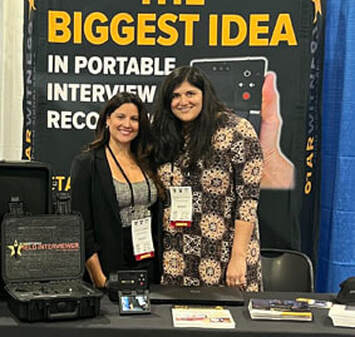 El Paso2024 is going to be an exciting year for StarWitness. Come see us the following shows and learn what's new. If you can't make it: We would love to give you a chance to see our products in action and send you some giveaways from our events. We offer online demos every day of the week to go over our interview recording solutions. Register for a demo NATIA Booth #734 July 14-18, 2024 Providence, RI Crimes against Children Conference by DCAC August 11-15, 2024 Dallas, TX 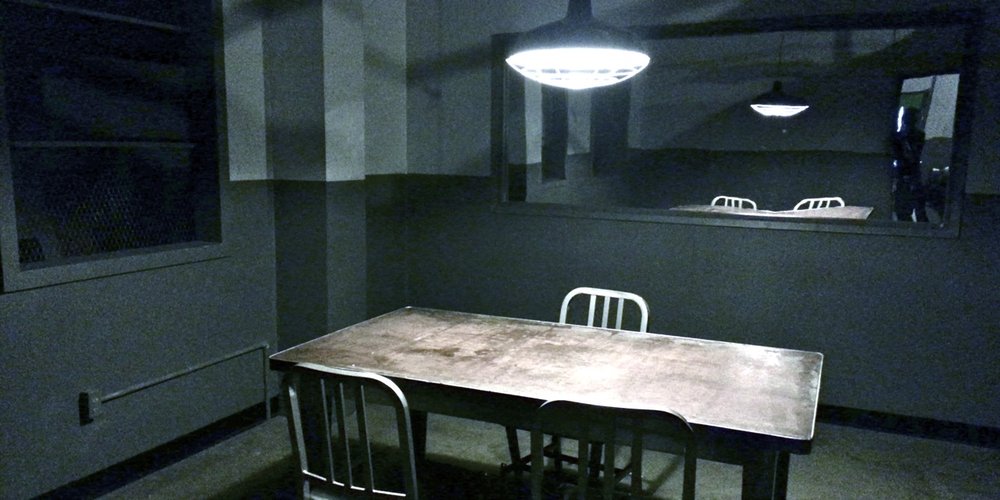 The main objective of a interrogation is to make the suspect admit to a crime or speak the truth. But the questioning process can be quite complex and might lead the suspect astray from confessing. Louis Sense, Chief Polygraph Examiner and Vice President of John E. Reid and Associates, Inc, recommends these 5 tactics to a successful interrogation.
1. Case facts and motive 2. The suspect’s statements during the interview 3. Common sense 4. Prior similar case experiences 5. Training and education To see an example cases and these themes in action, read more here. 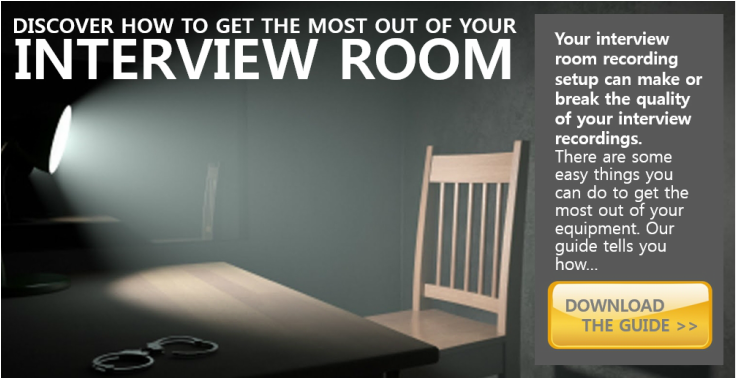 Our guide, Getting the most out of your interview room recording equipment, offers easy improvements on everything from furniture arrangement to sound proofing in your interview room. These upgrades to your room can improve speech intelligibility and help you get the best picture quality possible with your interview room recording systems.
Download the guide |
WelcomeHere you'll find the latest on information on video evidence and interview recording equipment for law enforcement, child advocacy centers, and government agencies. Archives
February 2024
Categories |
 RSS Feed


©
Copyright 2024 Signalscape, Inc. All rights reserved.